Industrial Infrastructure for Nearshoring: Design and Sustainability Keys
Discover how the design of sustainable industrial parks and warehouses in Mexico under ESG criteria shields your investment against nearshoring.
The reconfiguration of global value chains has made Mexico the strategic epicenter of international manufacturing and logistics. The massive influx of foreign direct investment driven by the relocation of operations—popularly known as nearshoring—is no longer a temporary economic expectation, but rather a structural transformation of the national territory. However, this accelerated growth exposes an inescapable reality for real estate developers, capital funds, and trusts: the market no longer demands square meters built at the lowest cost and in the shortest possible time; it demands infrastructure with high technical specification, operational resilience, and environmental rigor.
In this new corporate scenario, the development of sustainable industrial parks in Mexico represents the threshold separating highly profitable projects from those destined for rapid commercial obsolescence. The integration of sustainability from the territorial planning phase and the ESG industrial warehouse design have become the definitive filters through which multinational corporations and institutional funds evaluate the viability of their investments.
Throughout this analysis, we will examine how the convergence of parametric engineering, master planning, and decarbonization criteria redefines the future of nearshoring and industrial real estate development.
1. The Paradigm Shift: From Land Availability to Territorial Intelligence
For the past few decades, Mexican industrial development operated under an expansive model. The commercial premise was simple: large plots of land located right off highways, standardized warehouses with predetermined spans, and competitive lease rates. This scheme satisfied the needs of a manufacturing economy focused on basic assembly and massive bulk storage.
However, the current wave of industrial relocation is composed of high-tech corporations, electric vehicle manufacturers, precision pharmaceutical industries, and highly automated logistics distribution centers. These companies operate under very strict global corporate mandates that require them to report and mitigate the environmental impact of their entire value chain, including indirect emissions associated with the facilities they lease (Scope 3).
Consequently, a transnational corporation planning to invest hundreds of millions of dollars in a new production plant in the north, the Bajío, or central region of the country cannot compromise its carbon neutrality goals by settling in a conventional industrial park. The infrastructure must respond with millimeter precision to 21st-century challenges: regional water scarcity, the saturation of electrical transmission grids, and the demand for clean, efficient operation.
2. Sustainable Industrial Parks in Mexico: Beyond Regulatory Compliance
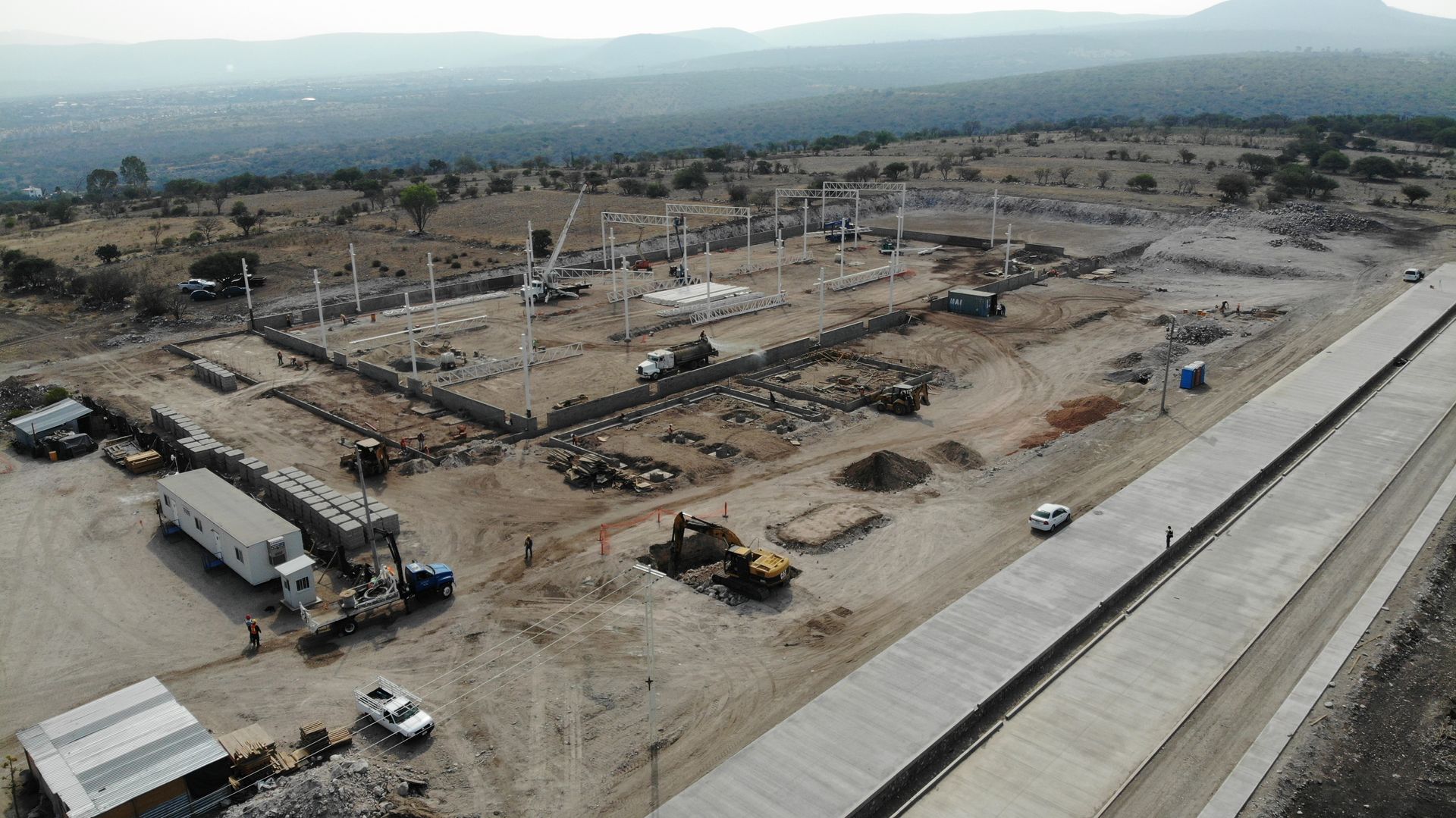
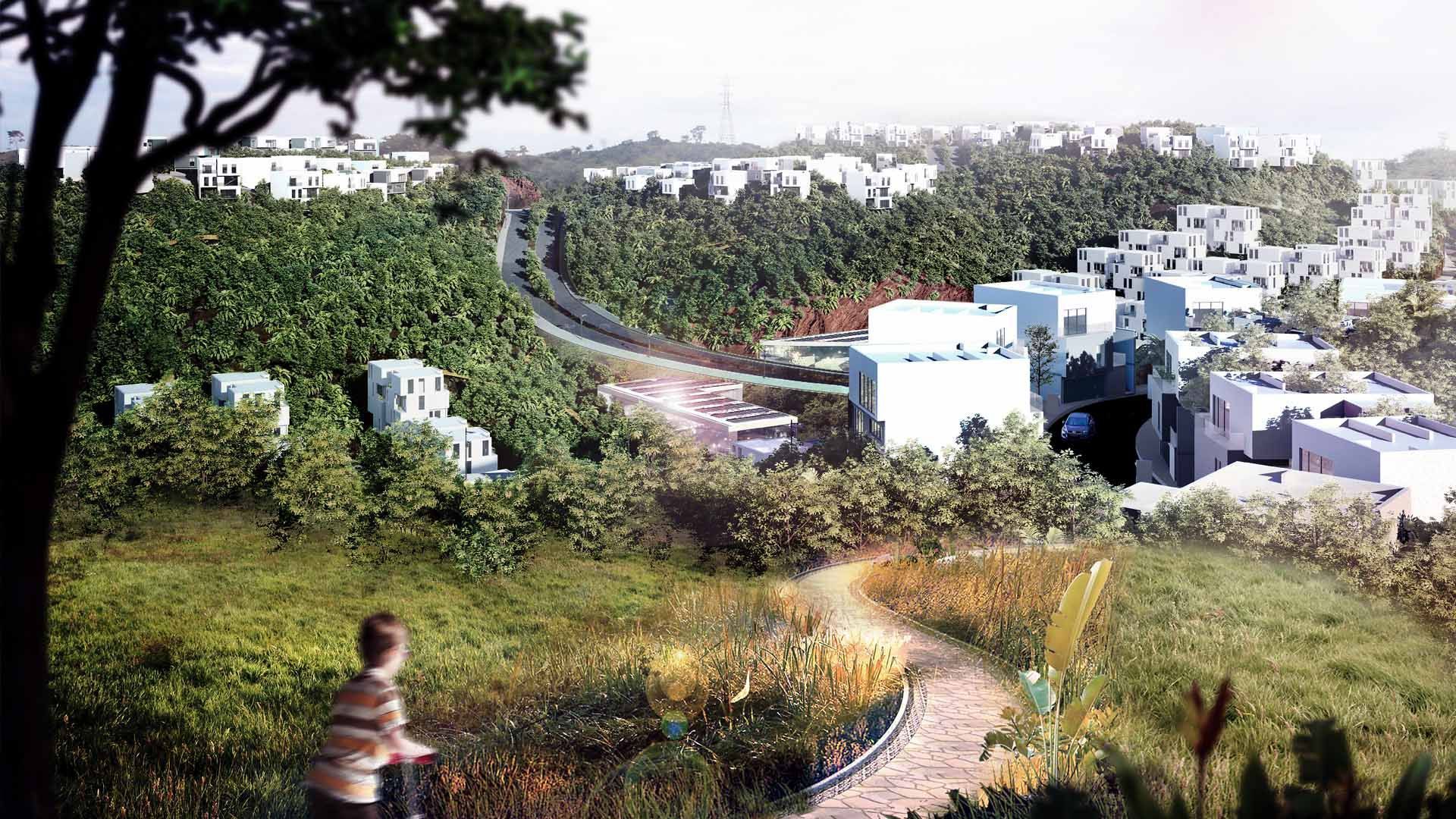
Designing and executing sustainable industrial parks in Mexico requires a comprehensive vision that transcends the simple installation of solar panels on roofs or the creation of superficial perimeter green areas. A next-generation industrial park must be conceived as a self-sufficient, balanced ecosystem that interacts harmoniously with its urban and natural environment.
The strategic planning of these complexes begins at the macro scale of the territory through an intelligent Master Plan. Critical components structuring a competitive industrial park include:
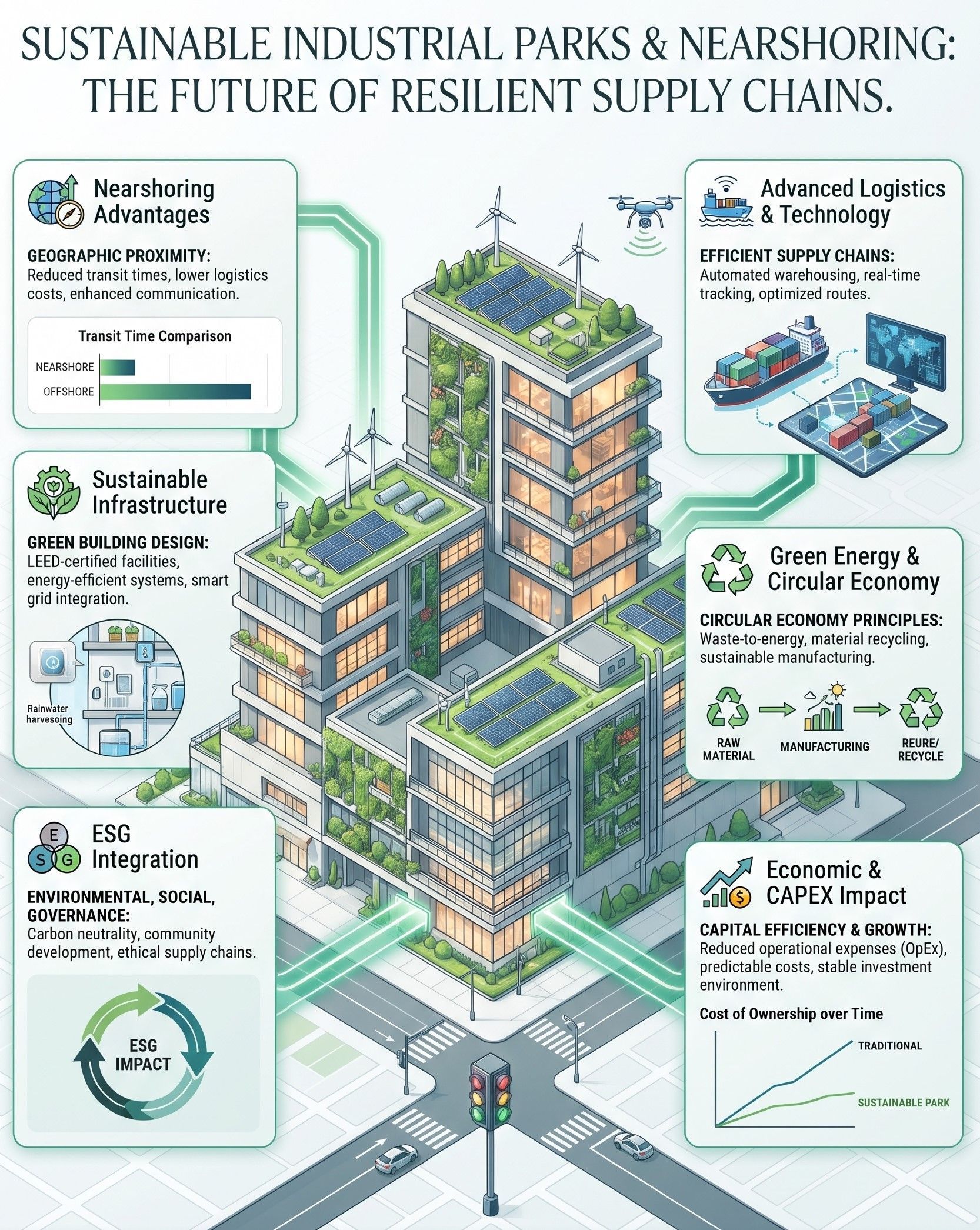
- Autonomy and Advanced Water Management: Faced with climate challenges and water stress affecting various industrial regions of the country, modern parks incorporate decentralized wastewater treatment systems, dual networks for reusing greywater in industrial cooling processes, and massive rainwater harvesting systems integrated into the site's topography.
- Energy Resilience and Microgrids: Traditional electrical infrastructure no longer guarantees continuous and scalable supply. Leading developers are integrating high-capacity substations with the capability to incorporate community photovoltaic microgrids, commercial-scale battery storage, and the necessary infrastructure to support the future full electrification of heavy cargo transportation fleets.
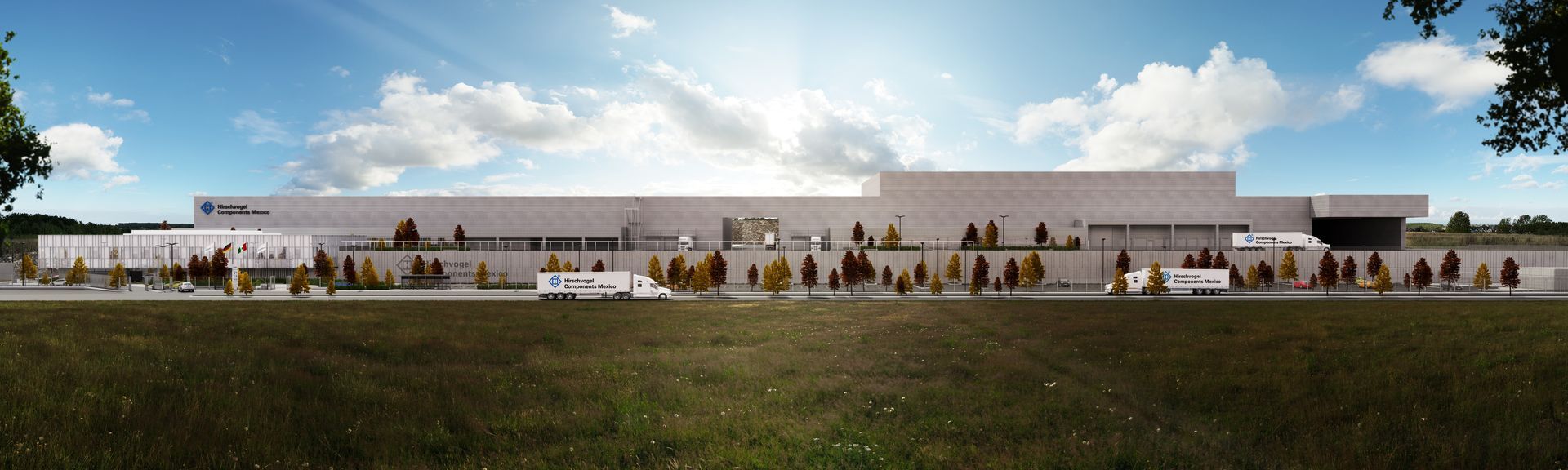
- Multimodal Logistics and Safe Roadways: An efficient territorial design categorically separates heavy semi-truck traffic from the light vehicular flow of operational and administrative personnel. This eliminates bottlenecks at access points, reduces logistics downtime, and optimizes the tenant's supply chain from day one.
3. Technical Innovation in ESG Industrial Warehouse Design
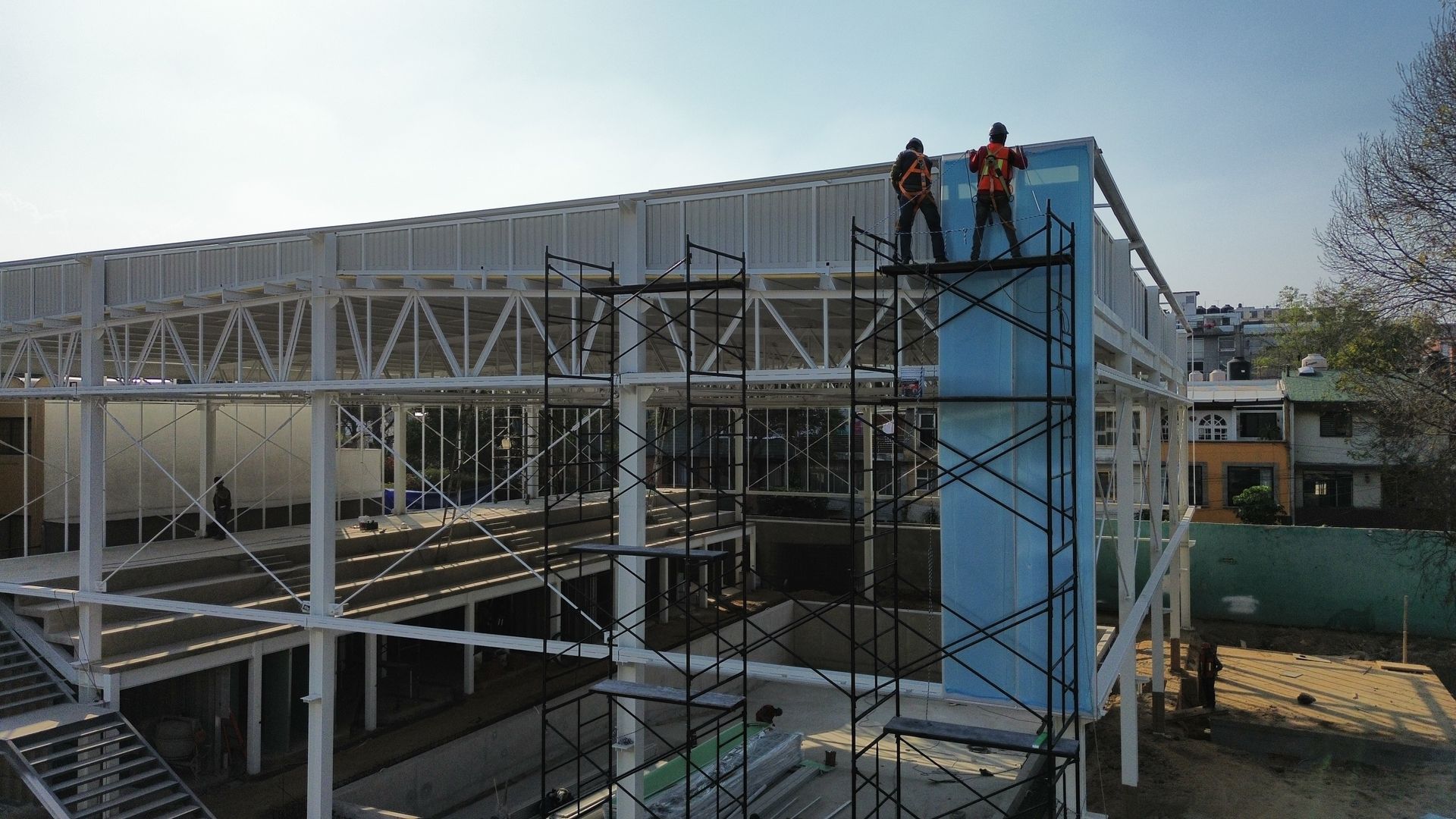
If the industrial park represents the macro environment, the individual warehouse is the operational core where B2B market demands materialize. ESG industrial warehouse design addresses both operational carbon (the energy the building consumes while operating) and embodied carbon (the accumulated ecological footprint in the extraction, manufacturing, and transport of construction materials).
To meet these standards without compromising development profitability, contemporary industrial architecture implements advanced engineering solutions:
- High-Performance Thermal Envelopes: Traditional industrial warehouses suffered from severe thermal gain due to single metal roofs that turned spaces into solar ovens during warm months, driving up energy consumption in air conditioning systems. Current architecture specifies sandwich panels with high-density polyurethane insulation cores, ventilated facades, and low-emissivity glazing that drastically reduce interior thermal loads.
- Life Cycle Assessment (LCA) and Low-Footprint Materials: The construction of large warehouses requires massive volumes of concrete and steel. Using parametric modeling tools and life cycle assessments, engineers can accurately calculate the carbon footprint of each structural component, selecting concretes with low-clinker additives and steels with a high percentage of post-consumer recycled material.
- Modularity and Spatial Adaptability: A frequent mistake in the past was building rigid warehouses that required complex and costly structural modifications when tenants modified their assembly lines or logistics processes. Modular design allows for expanding bays, modifying heights, and reconfiguring loading docks with absolute operational flexibility.
4. Financial Viability and CAPEX Protection Against Real Estate Risk
For private equity funds, real estate trusts, and corporate developers, adopting sustainability criteria in the industrial sector is not an idealistic initiative, but rather a strict financial capital protection strategy.
The most latent risk in today's real estate market is the creation of stranded assets. An industrial park or logistics warehouse built under the traditional parameters of the past decade will face severe commercial depreciation in a very short time (the so-called Brown Discount). Multinational corporations driving nearshoring are prohibited by their corporate bylaws and international financial regulations from leasing spaces that lack verifiable environmental performance certifications, such as LEED (Leadership in Energy and Environmental Design) standards or EDGE (Excellence in Design for Greater Efficiencies) criteria.
On the contrary, developments integrating sustainable and efficient infrastructure obtain significant financial advantages:
- Access to Preferential Capital: Projects aligned with ESG criteria qualify for the issuance of Green Bonds and bank financing with preferential interest rates.
- OPEX Optimization: Tenants are willing to pay premium rents for spaces that reduce their monthly operating costs in energy and water services by up to 40%.
- Minimal Vacancy Rates: High demand for certified industrial spaces ensures long-term lease agreements with top-tier global corporations, guaranteeing Net Operating Income (NOI) stability and maximizing asset appreciation.
Conclusion: The Future of Industrial Development in Mexico
The phenomenon of nearshoring represents a historic window of consolidation for the industrial real estate sector in Mexico, but financial success is no longer achieved by replicating obsolete formulas. The transition toward designing sustainable industrial parks in Mexico and the rigorous implementation of ESG criteria in each warehouse mark the dividing line between projects leading the global market and those falling behind institutional capital demands.
At ICONICO, we understand that high-performance industrial infrastructure requires a perfect balance between technical precision, strategic territorial design, and long-term financial viability. Our team integrates parametric modeling, advanced coordination methodologies, and expert master planning vision to ensure every industrial development maximizes its return on investment and safeguards its value against global market demands.
Are you planning the development of a large-scale industrial park or logistics warehouse? Explore our project portfolio or contact our team of specialists to design the infrastructure that will define the success of your next real estate investment.